
About Me

Research Interest

Publications

Contact

I hold a Bachelor's degree in Oceanology from the Faculty of Marine Sciences at the Autonomous University of Baja California (Mexico), where I conducted research on the circulation patterns of Todos Santos Bay and their wind dependencies using high-frequency radars. I then earned a Master’s degree in Physical Oceanography at the Center for Scientific Research and Higher Education of Ensenada (Mexico), focusing on the impact of wave-current interactions on the dynamics of the Gulf of Tehuantepec during strong gap-wind conditions.
I completed my Ph.D. at the Laboratory of Geophysical and Spatial Oceanography Studies (LEGOS) in France, where I explored ocean-atmosphere interactions and their influence on the dynamics of the Gulf of Mexico. Afterward, I undertook a postdoctoral position at LEGOS, where I investigated the indirect feedbacks of mesoscale ocean eddies on the generation of sea surface waves, and evaluated the capabilities of the upcoming ODYSEA satellite mission in estimating surface currents, wind stress, and energy fluxes.
Currently, I am a postdoctoral researcher at the Center for Ocean-Atmospheric Prediction Studies (COAPS, United States of America), where my research focuses on the ocean dynamics of the Gulf of Mexico, with a particular interest in air-sea interactions and the factors leading to the separation of eddies from the Loop Current.
I have a strong interest in the dynamics of (sub)mesoscale eddies, which play a crucial role in the ocean's circulation and energy distribution. These features, although often overlooked, significantly influence marine ecosystems and climate patterns. Understanding their formation, evolution, and interaction with other oceanic processes is central to my research, as these eddies are key to unraveling the complexities of the global ocean system. eddies are key to unraveling the complexities of the global ocean system.
In my work, I focus on air-sea interactions, specifically examining the complex feedback mechanisms between the ocean, waves, and atmosphere. These interactions are vital for understanding how energy and momentum transfer occurs across the air-sea interface, impacting both weather systems and oceanic conditions. Through a practical approach, I seek to break down these dynamics and their implications for climate prediction.
Focusing on the Gulf of Mexico, I investigate the unique dynamics of this region, particularly the behavior of the Loop Current and its associated eddies. The Gulf is a hotspot for mesoscale phenomena, and I am interested in how these dynamics affect local climate, marine life, and overall oceanic circulation. As I explore this topic more deeply, I seek to discover how the specific characteristics of this area can contribute to a broader understanding of oceanic systems on a larger scale.
To support my research, I utilize various tools, including satellite observations. These remote sensing techniques allow me to gather essential data on ocean surface conditions, providing insights into the behavior of eddies and other oceanic features on a broader scale. With this information, I can gain a clearer perspective on how variations in ocean conditions may influence climate and ecosystems.
Additionally, I employ coupled numerical simulations to model and analyze the interactions between the ocean and atmosphere. These simulations allow me to investigate real-world scenarios and predict the behavior of mesoscale eddies, as well as their influence on ocean dynamics both regionally and globally. Through this approach, I aim to enhance our understanding of how these processes interact and impact the complex and vital systems of the ocean.
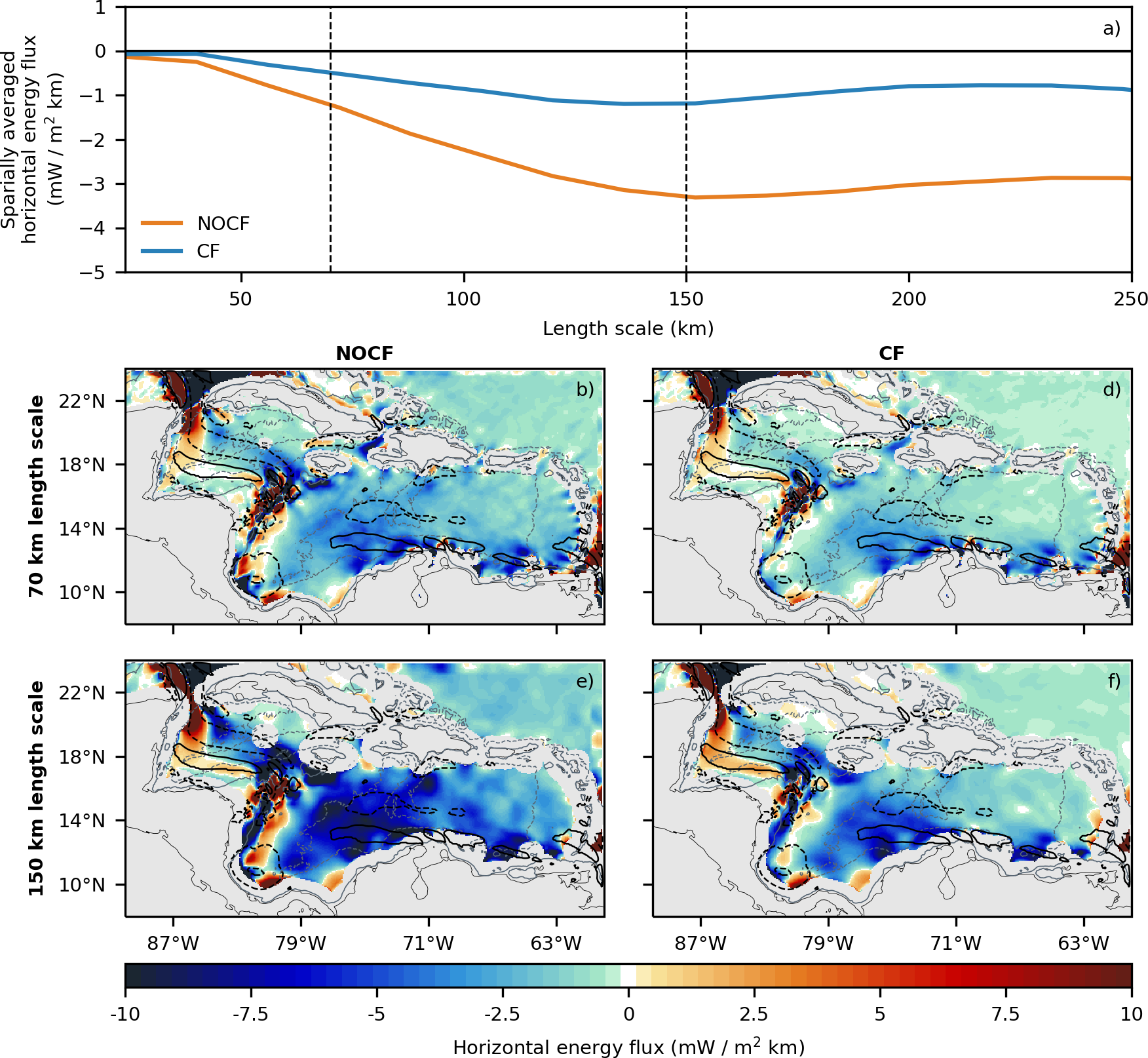
Larrañaga M., Tanahara S., Ray, S., Bourassa, M., Tiznado O., Lugo K., Jouanno J., and Renault L.
Eddy-mean flow interactions in the Caribbean Sea and their modulation by current feedback to the atmosphere.
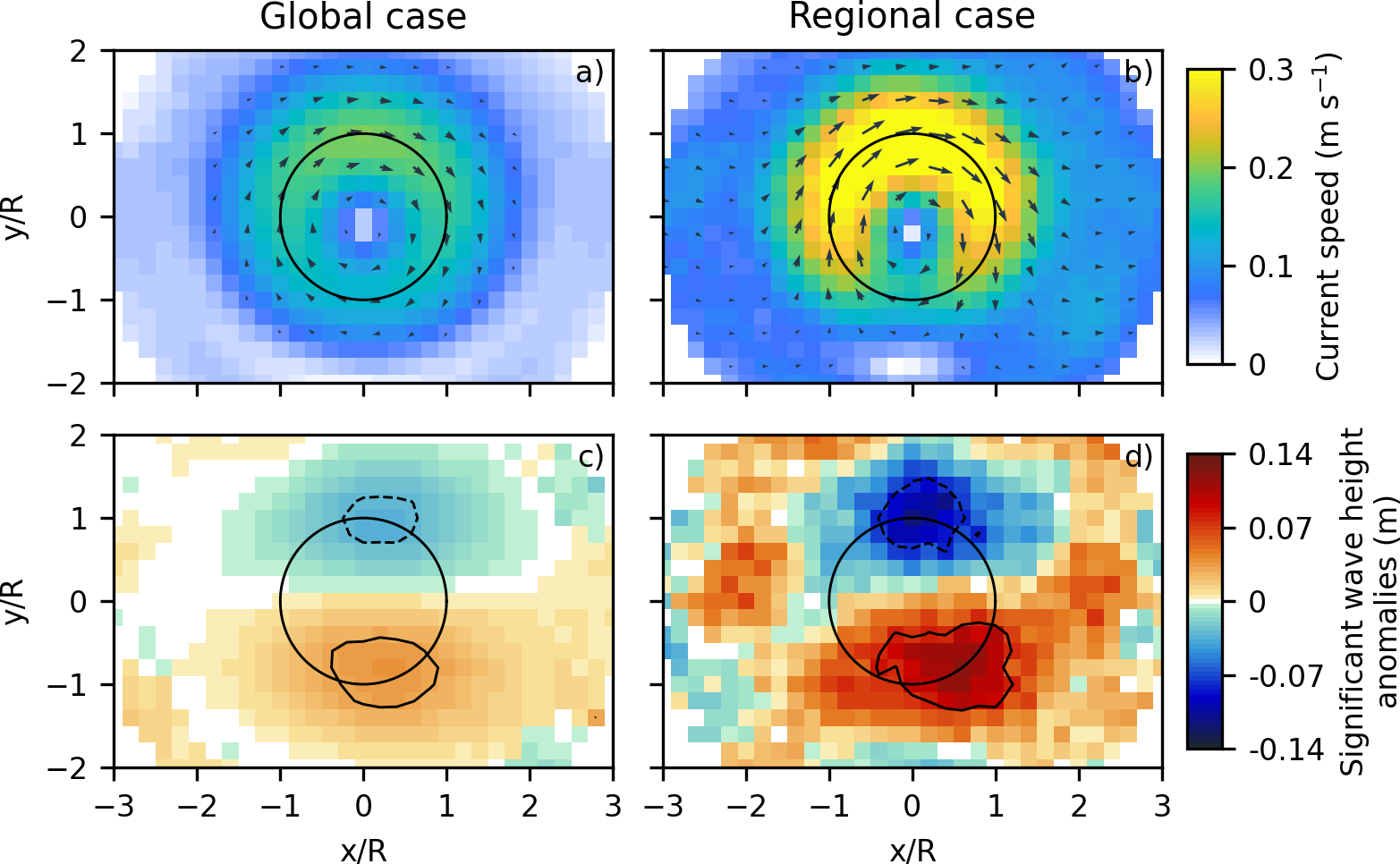
Larrañaga M., Renault L., Peláez-Zapata D., Rascle N., Ocampo-Torres F., Osuna P., Aouf L.
Direct and indirect feedbacks from mesoscale eddies to the atmosphere and sea surface waves.
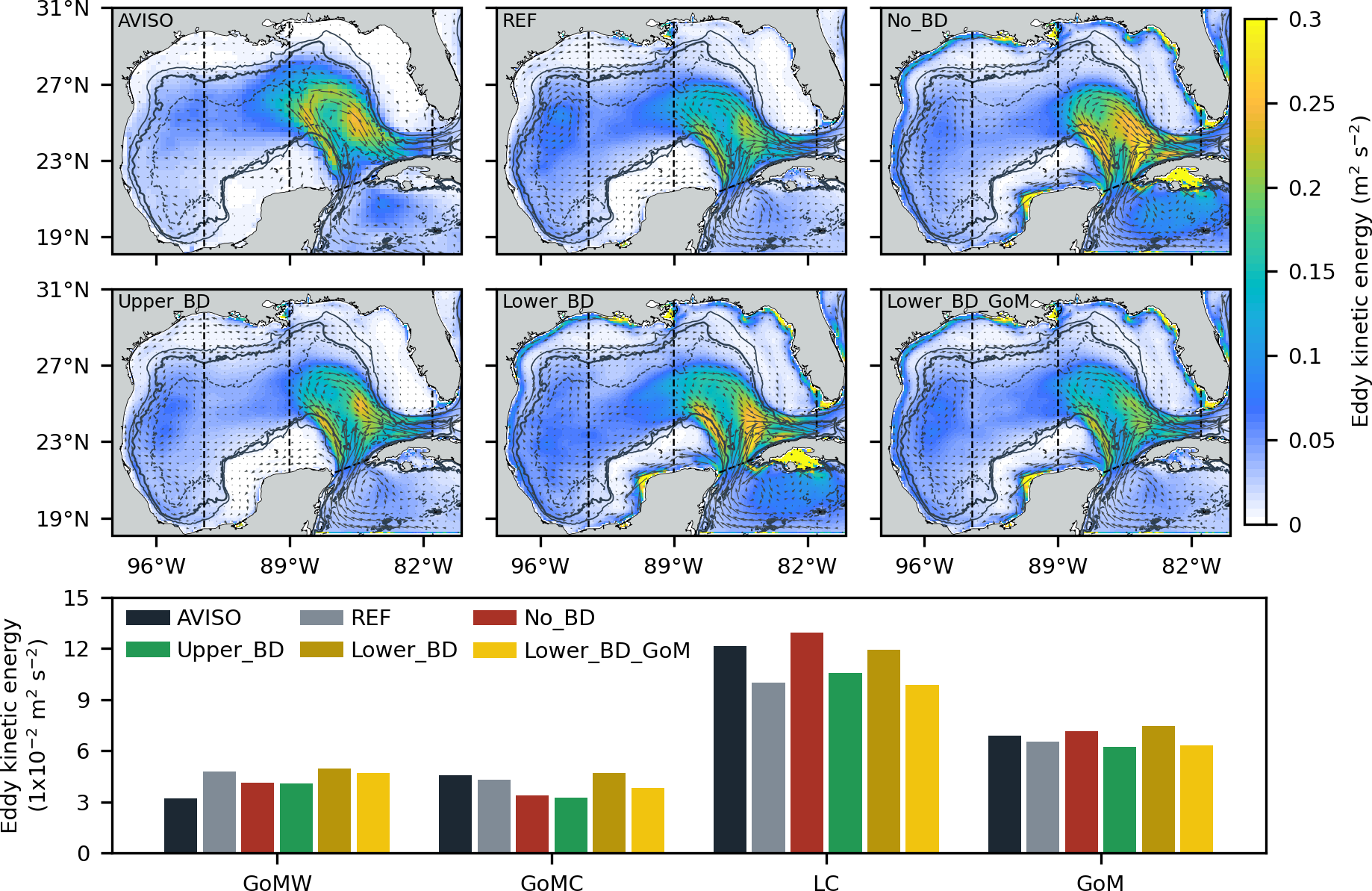
Ilkeyeong M., Larrañaga M., Chassignet E., and Bozec A.
Impact of bottom drag on Gulf of Mexico loop current eddy shedding.
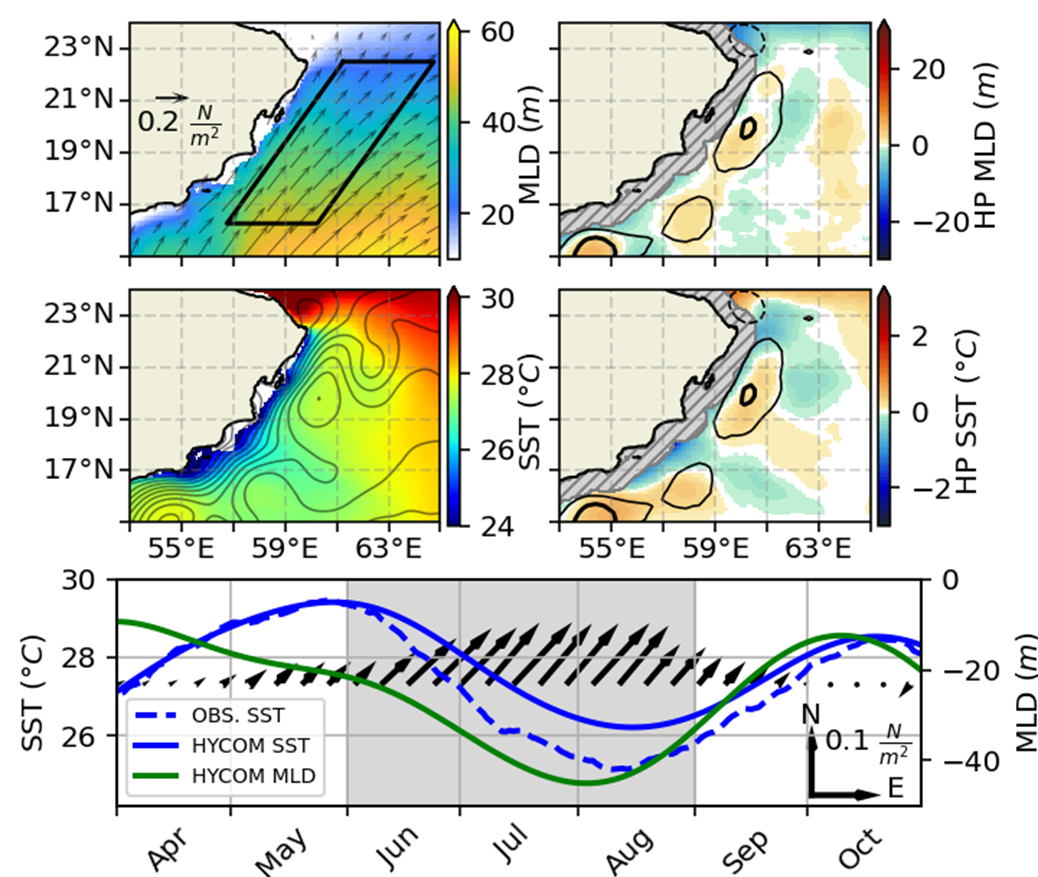
Wright E., Larrañaga M., Ray S., and Bourassa M.
The Oman Sea upwelling and their modulation by mesocale eddies.
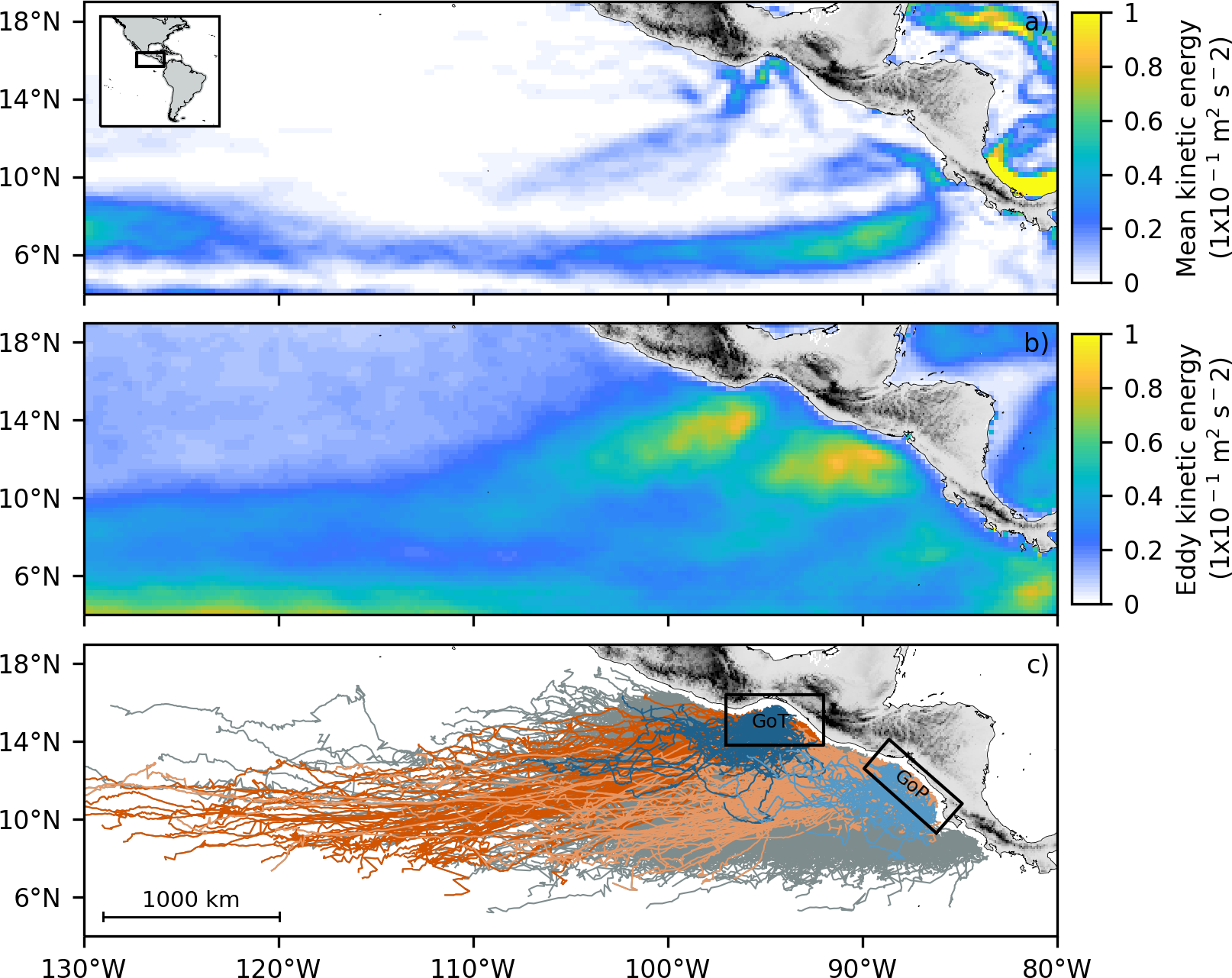
Ahumada-Sempoal M., Larrañaga M., Santiago-García M., and Reyes-Hernández A.
Eddy-related mesoscale variability in the northeastern tropical Pacific.
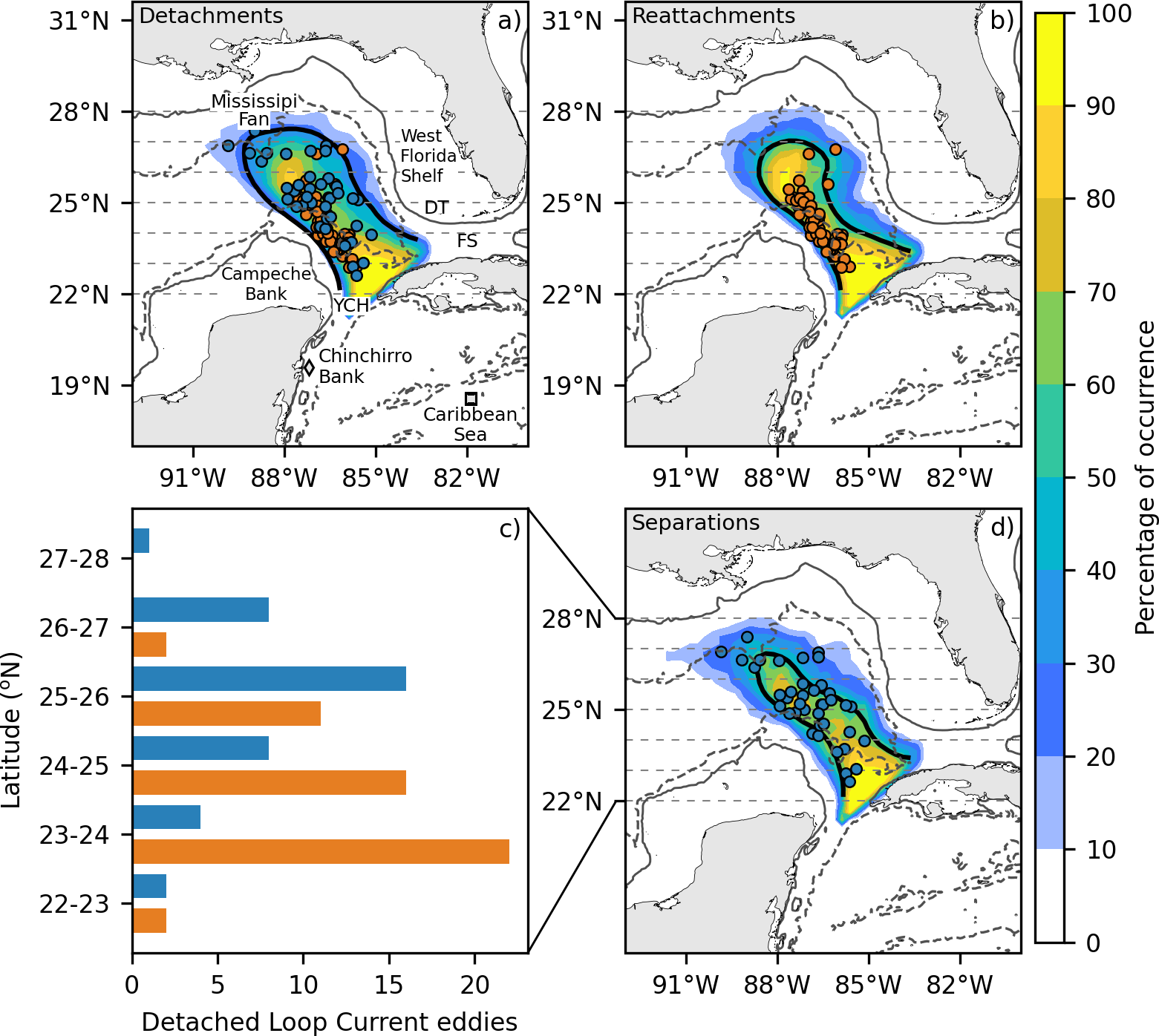
Larrañaga M., Jouanno J., Chassignet E., Durante G., Ma I., Sheinbaum J., and Renault L.
2026
The role of cyclonic eddies in the detachment and separation of Loop Current eddies.
Ocean Science
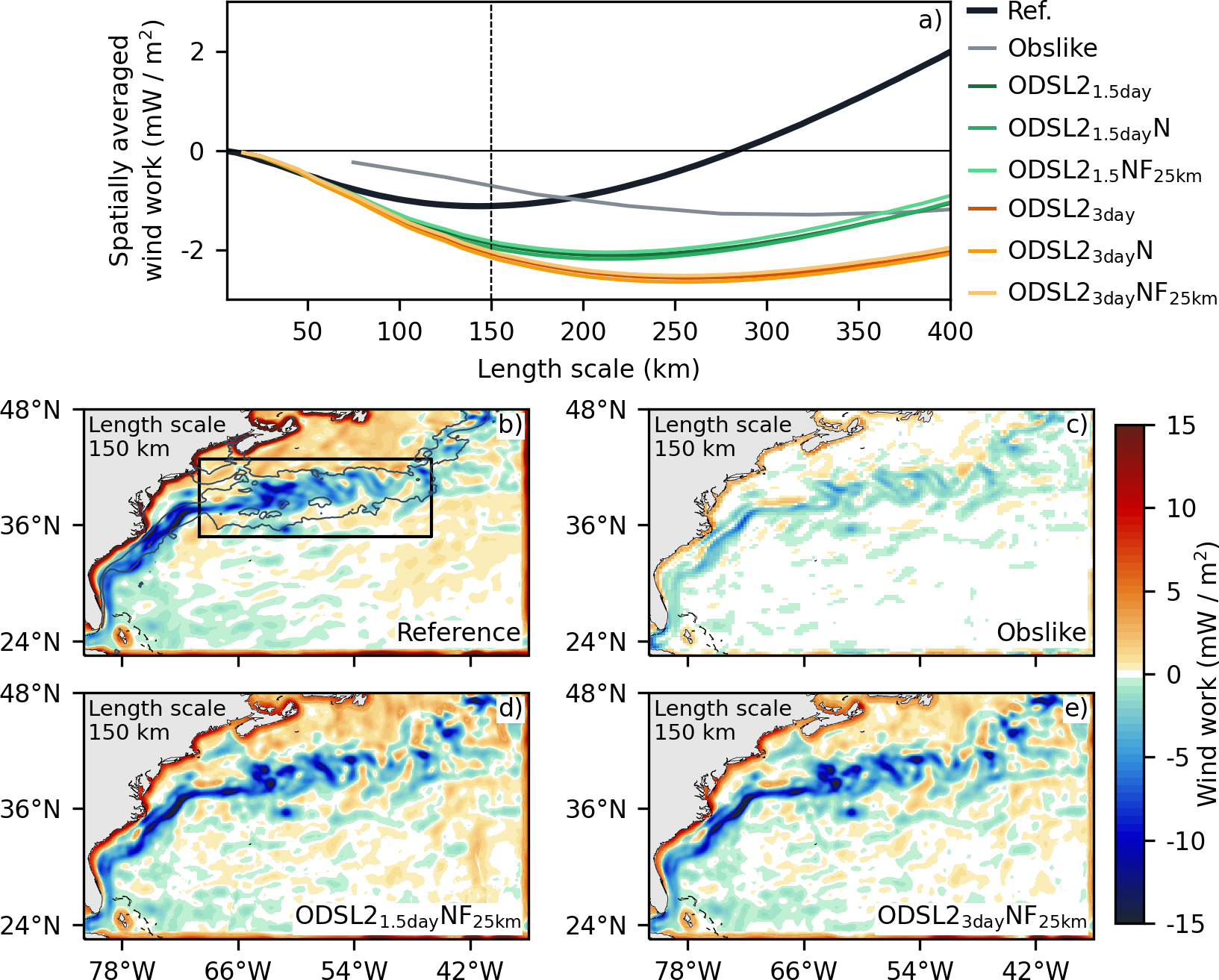
Larrañaga M., Renault L., Wineteer A., Contreras M., Arbic B., Bourassa M., and Rodríguez E.
2025
Assessing the Future ODYSEA Satellite Mission for the Estimation of Ocean Surface Currents, Wind Stress, Energy Fluxes, and the Mechanical Coupling between the Ocean and the Atmosphere.
Remote Sensing
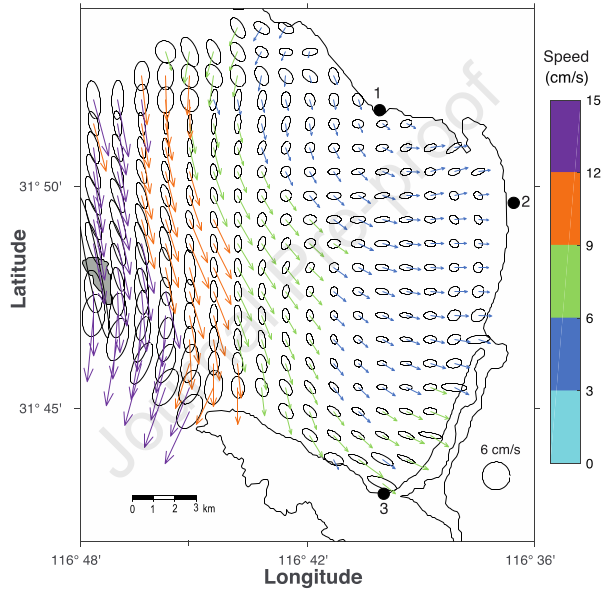
Durazo M., Flores-Vidal X., Castro R., Ocampo-Torres F., Saavedra J., Rodríguez-Padilla I., and Larrañaga M.
2024
Surface circulation in Todos Santos Bay, Baja California, México.
Continental Shelf Research
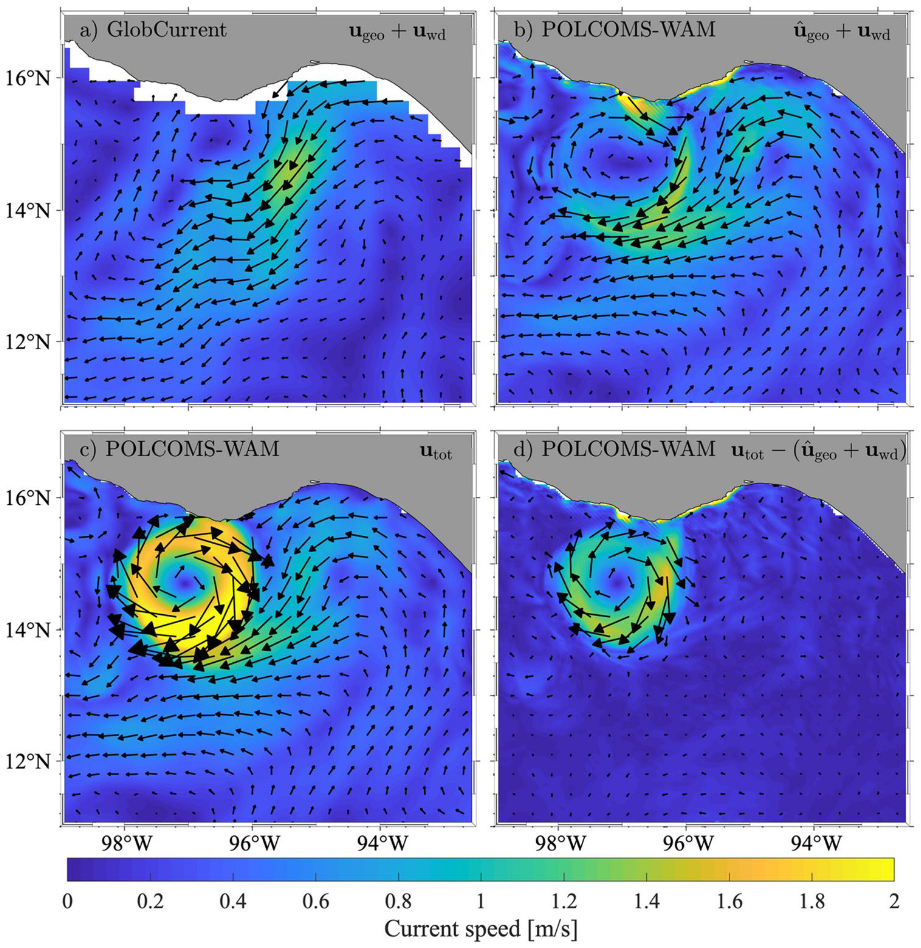
Larrañaga M., Osuna P, Esquivel-Trava B, Ocampo-Torres F., Rascle N., García-Nava H., and Moulin A.
2023
Comparing GlobCurrent dataset with numerical results from a high-resolution implementation of the POLCOMS-WAM coupled system under a strong gap wind over the Gulf of Tehuantepec.
Journal of Physical Oceanography
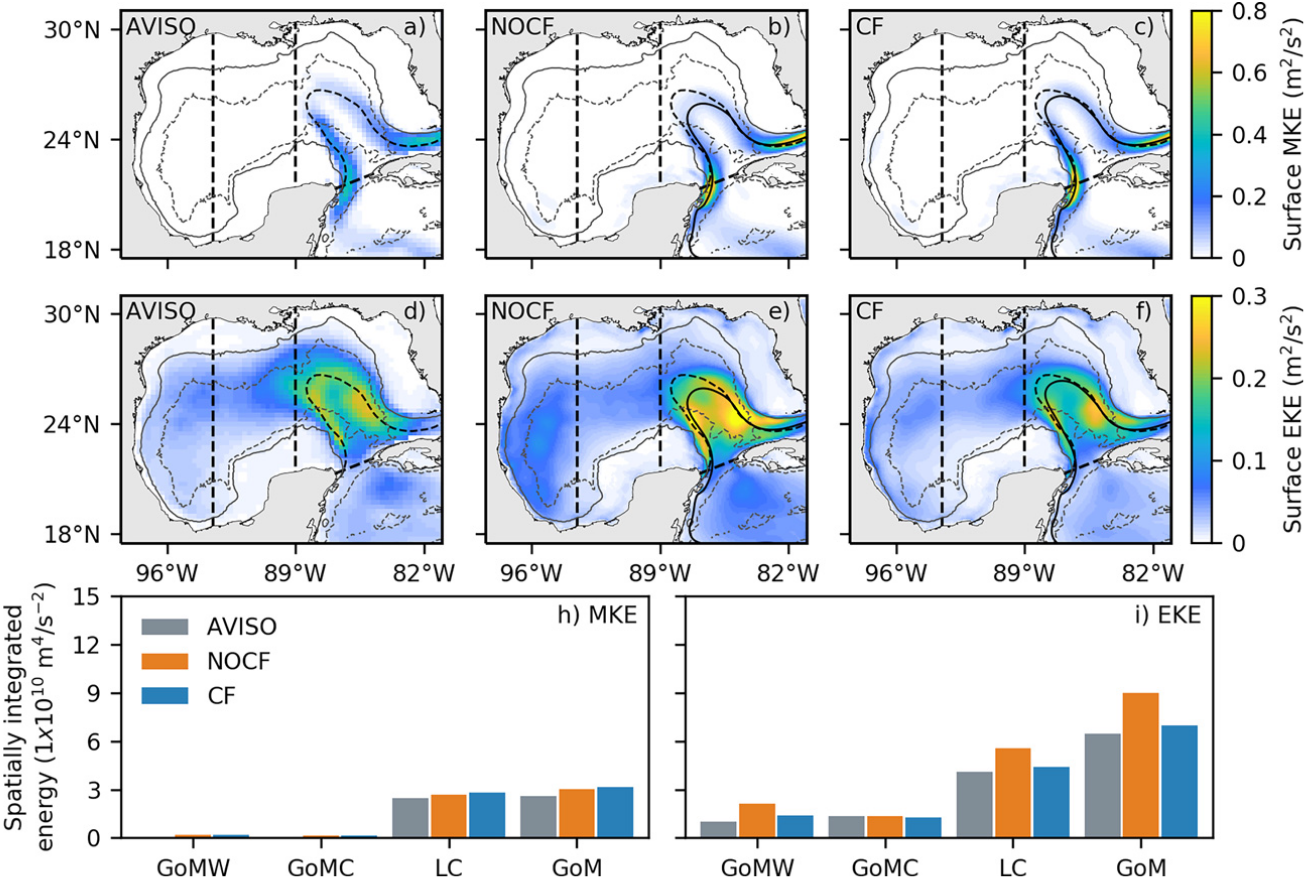
Larrañaga M., Renault L., and Jouanno J.
2022
Partial Control of the Gulf of Mexico Dynamics by the Current Feedback to the Atmosphere.
Journal of Physical Oceanography
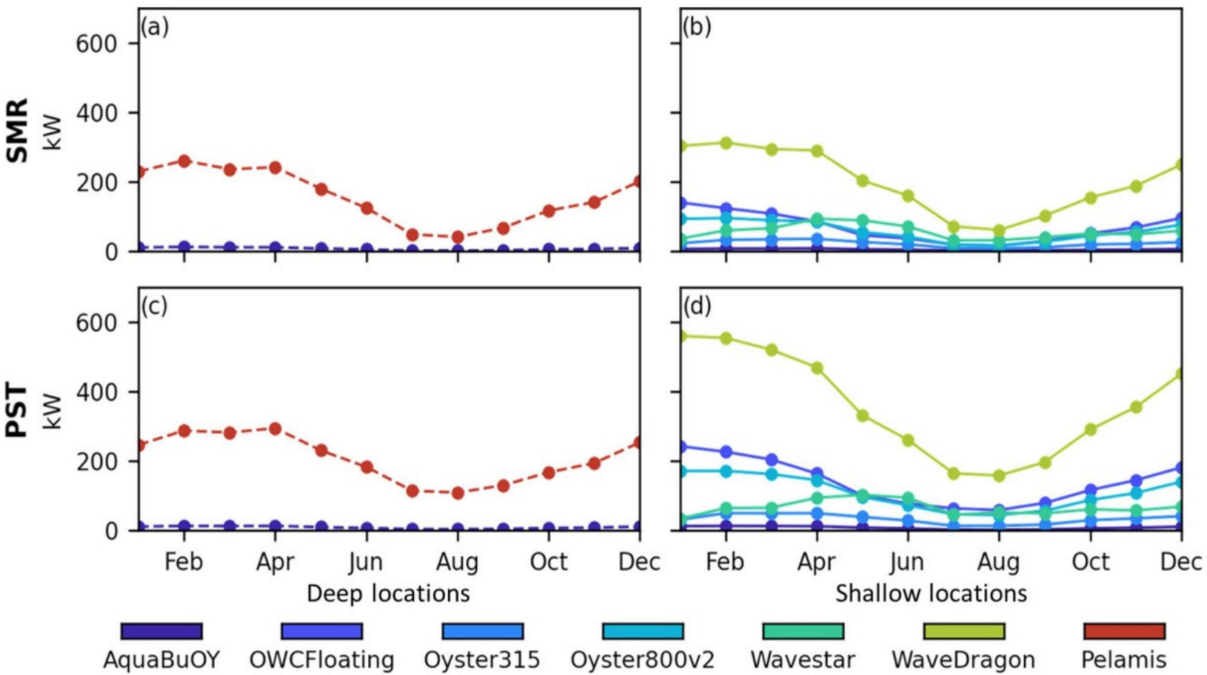
Gorr-Posi E., García-Nava H., Larrañaga M. Jaramillo-Torres M., and Verduzco-Zapata M.
2021
Wave Energy Resource Harnessing Assessment in a Subtropical Coastal Region of the Pacific.
Journal of Marine Science and Engineering

